Industry
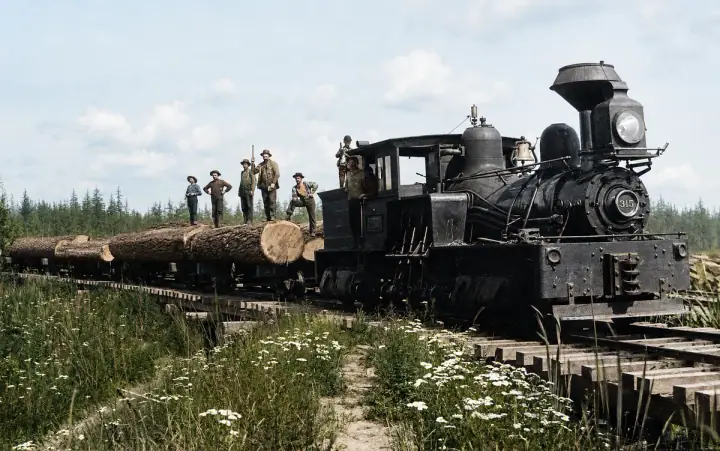
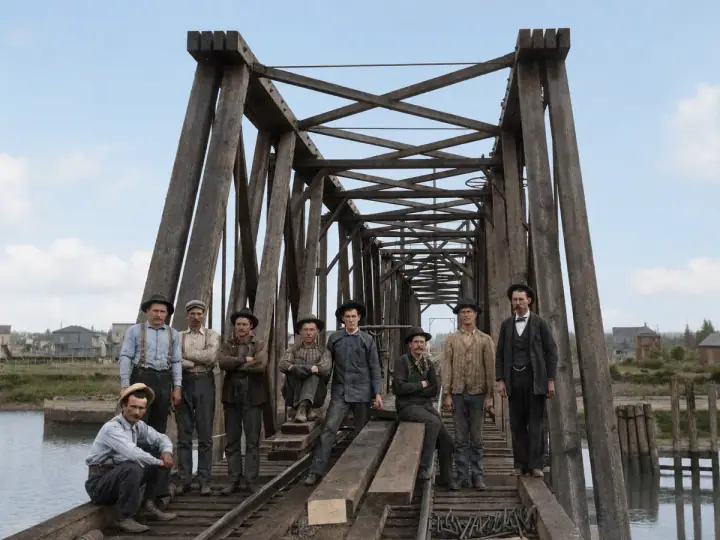
E.J. Anderson Sawmill
A sawmill scene that connects old Marysville to timber work, local labor, and the industries that helped the town grow.
Marysville History
Painted scenes of old Marysville, displayed in the Marysville Civic Center outside the City Council chambers.
Public art as local memory
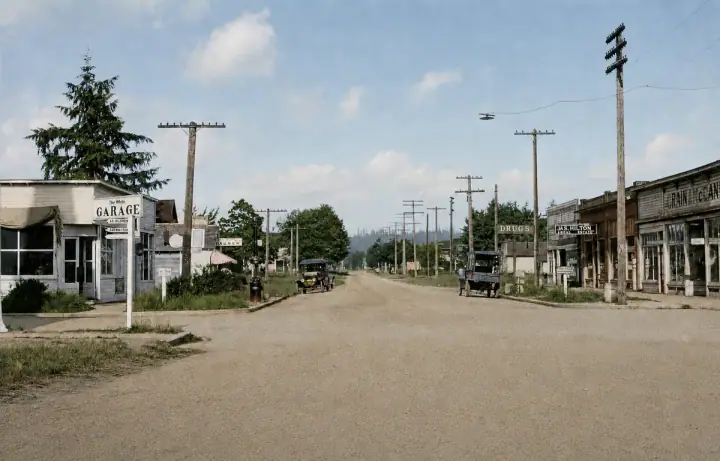
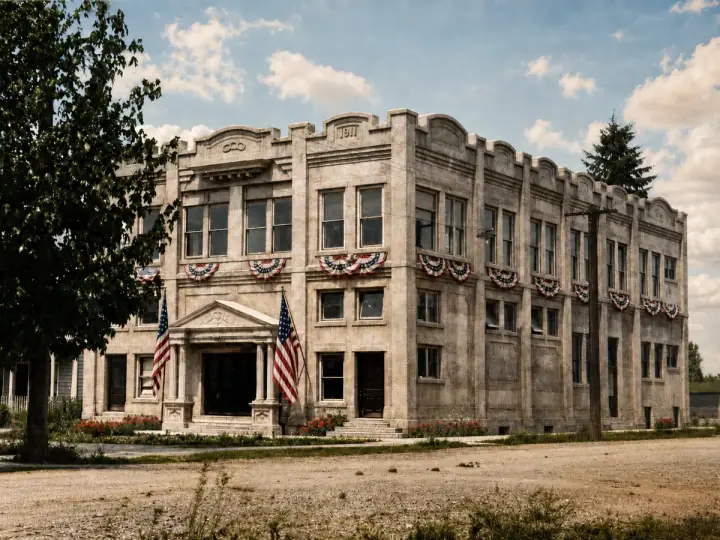
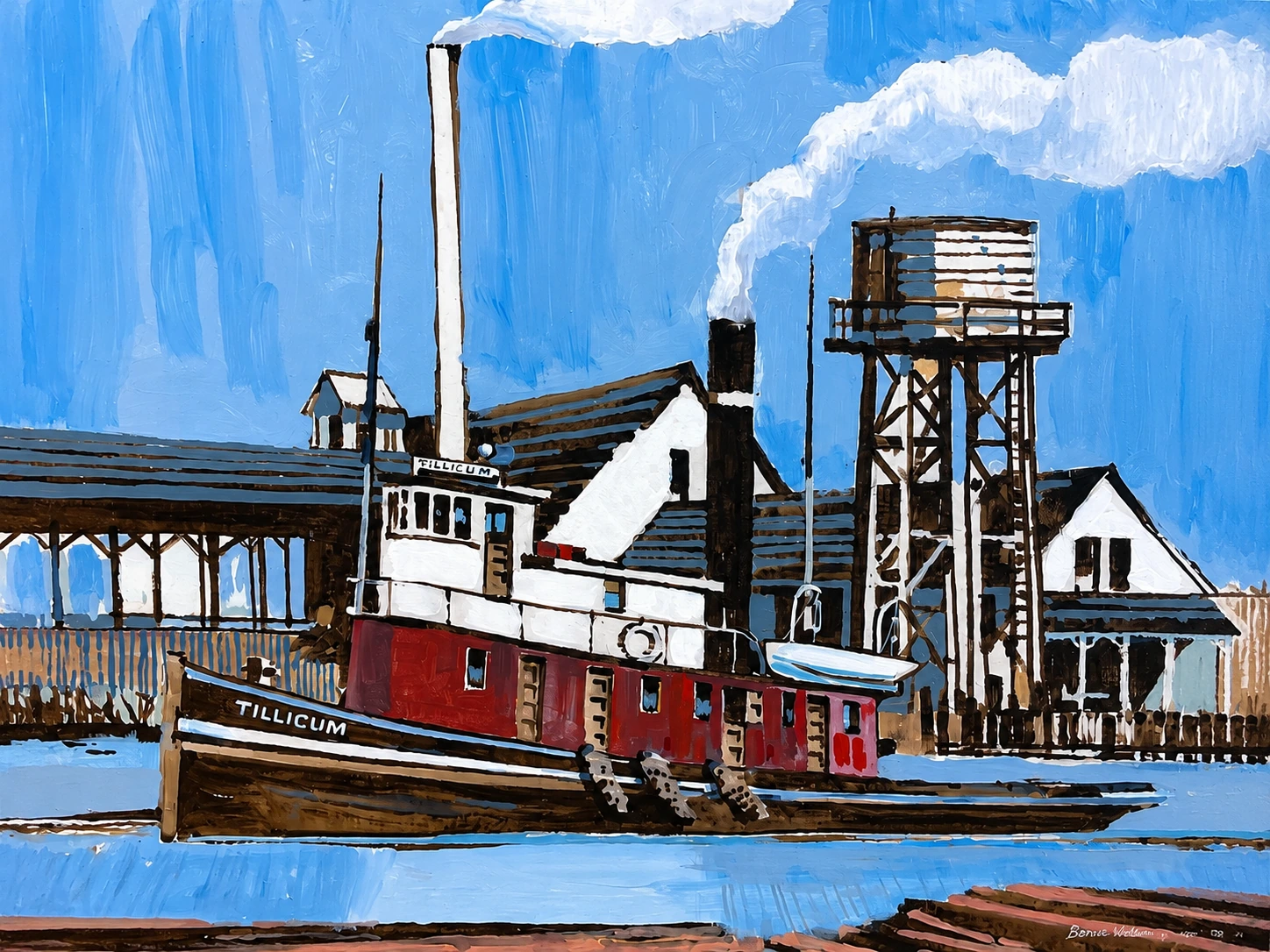
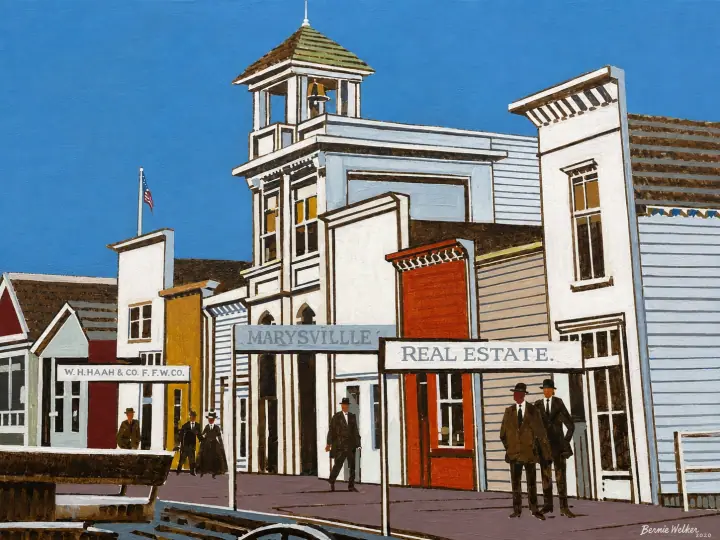
The Civic Center paintings are not archival photographs. They are visual interpretations of earlier Marysville: mills, stores, churches, schools, trains, farms, civic buildings, and regional neighbors.
Placing them here gives residents and visitors a way to browse the collection as a small online exhibit, while keeping the images connected to the broader local-history hub.
Gallery context
The paintings are especially useful because they bring many parts of local memory into one walkable place: public buildings, everyday work, faith communities, transportation, and early commerce.
This page treats them as a curated gallery, with descriptive labels and themes so each image has a clear place in the larger Marysville story.
Painting gallery
Each title below is a descriptive label based on the image file name and visible subject. Artist, date, and source details can be added as they are confirmed.
A sawmill scene that connects old Marysville to timber work, local labor, and the industries that helped the town grow.
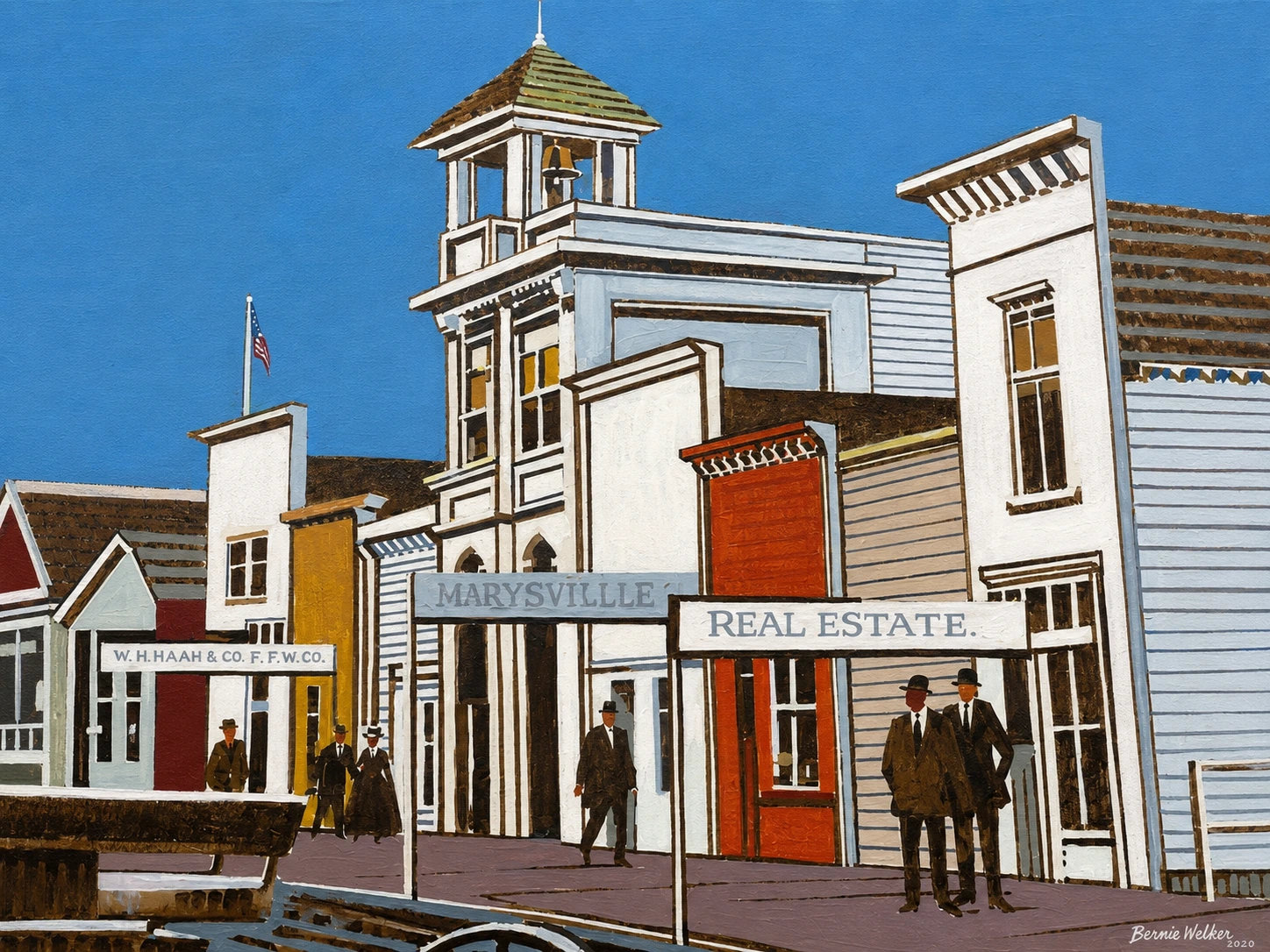
City Hall anchors a downtown street scene, placing public business alongside the storefronts and sidewalks of early Marysville.
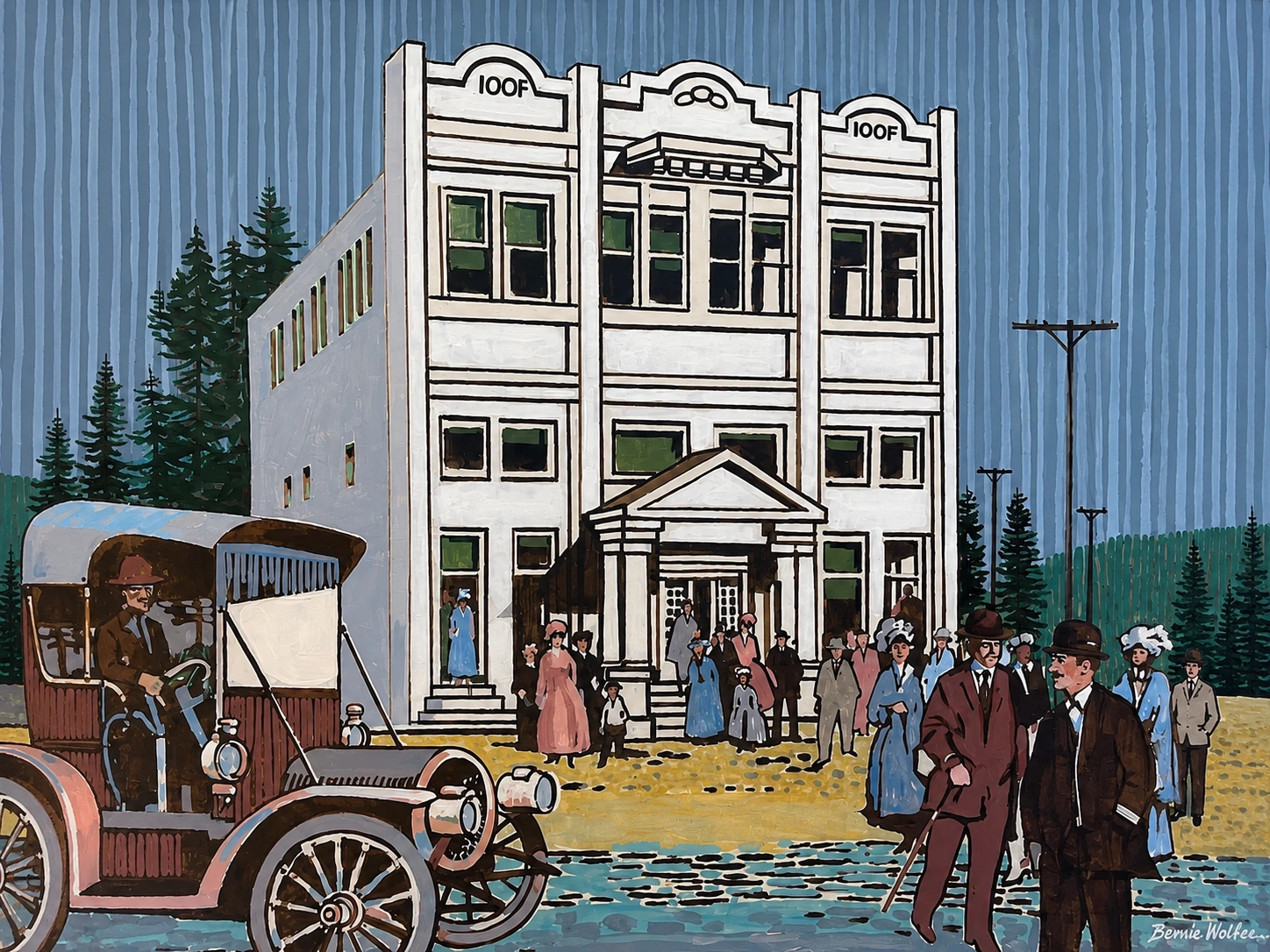
The I.O.O.F. Hall points to the fraternal organizations, meeting places, and civic networks that shaped local public life.
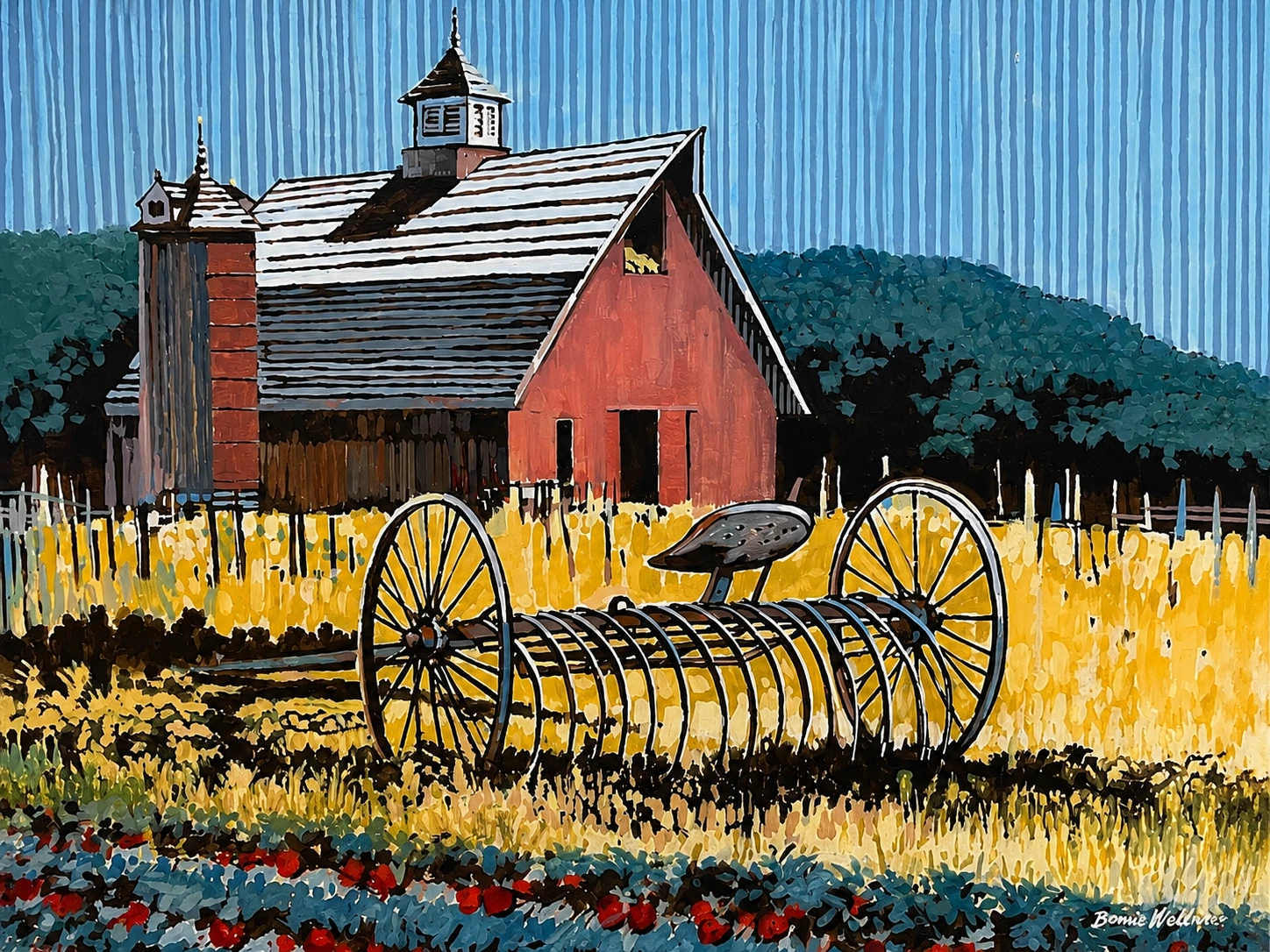
A rural scene that widens the story beyond downtown, toward fields, farm families, and the agricultural landscape around Marysville.
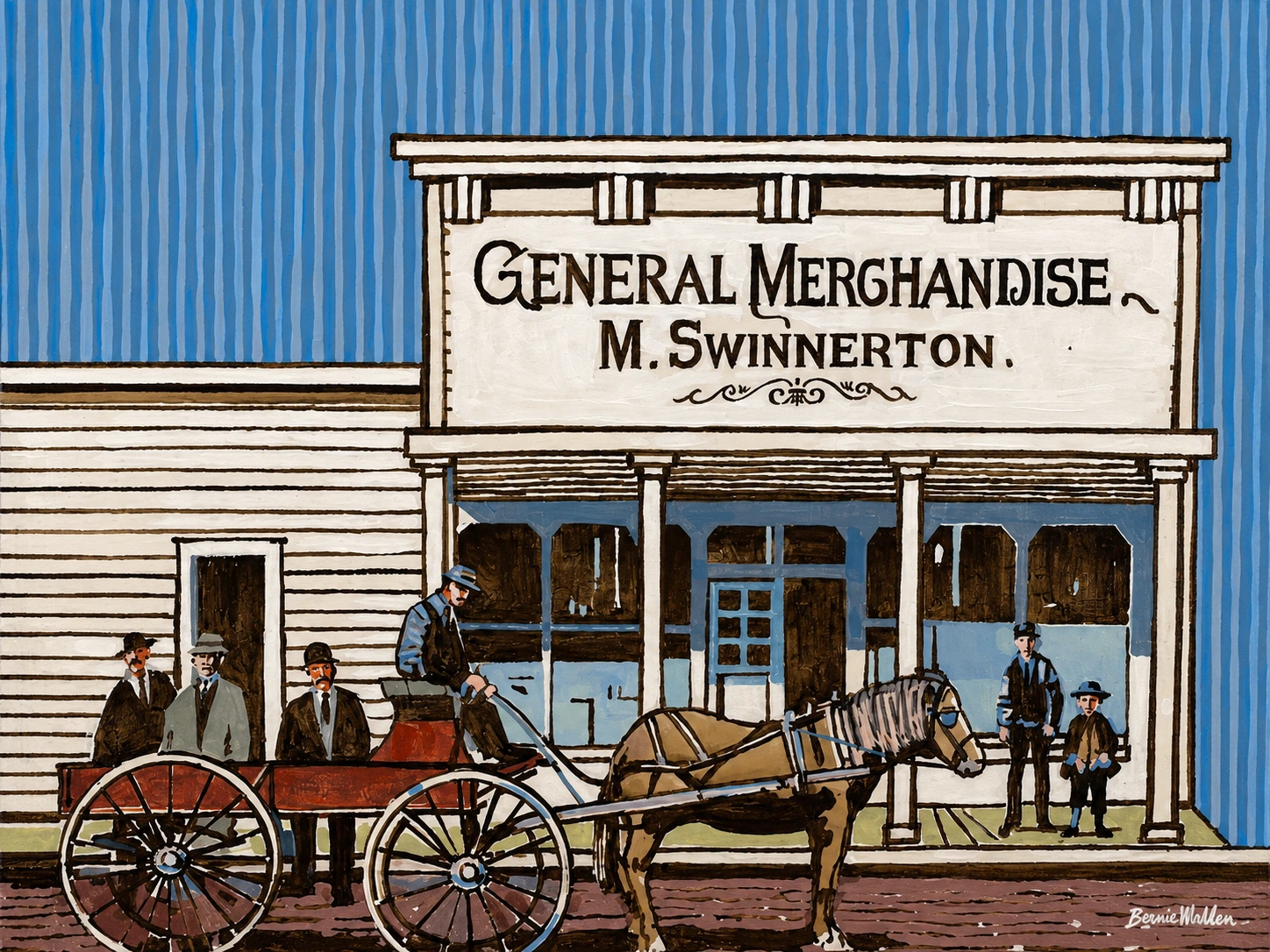
The general store represents everyday exchange: supplies, conversation, errands, and the small businesses that held the town together.
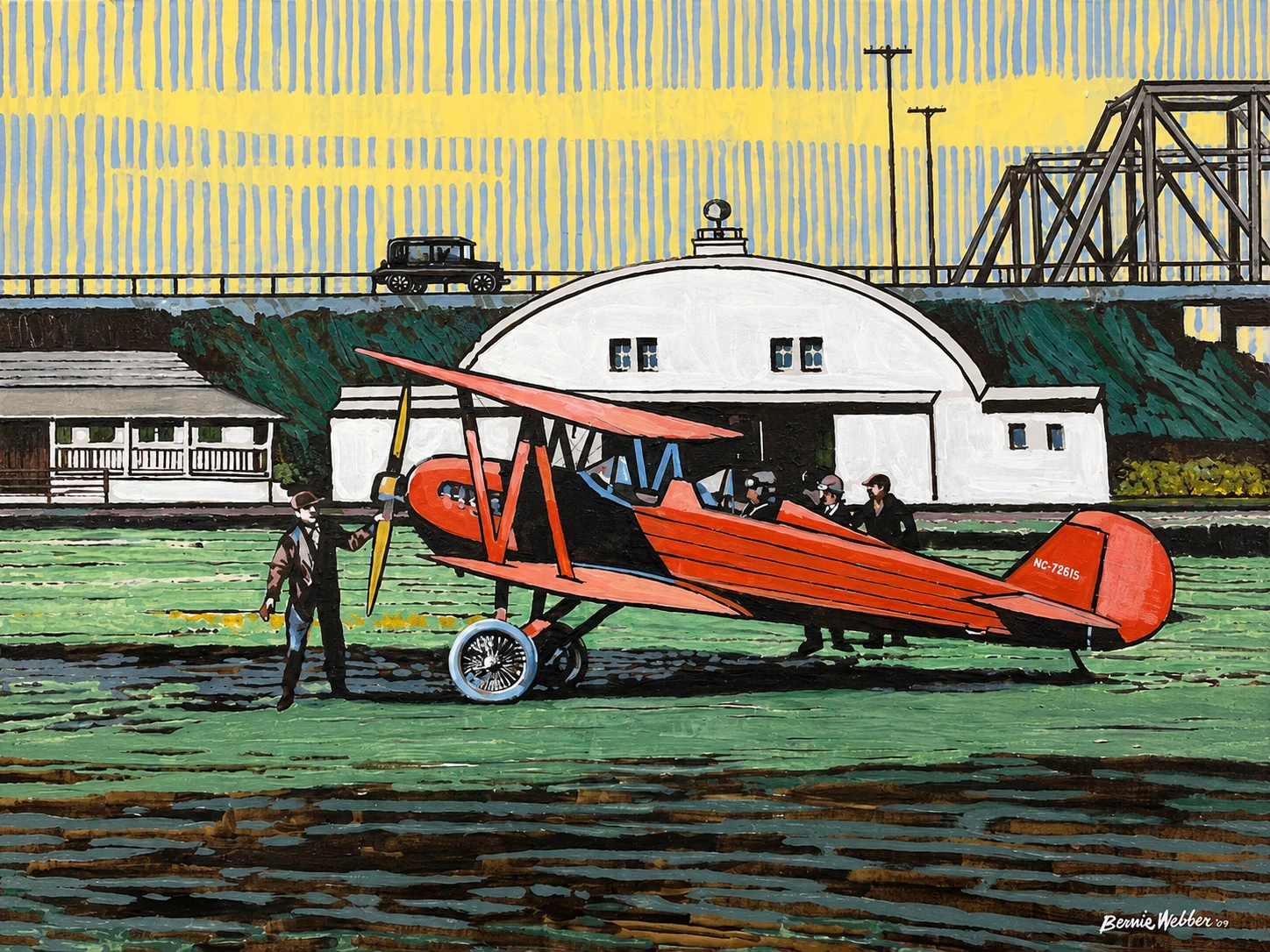
This scene connects Steamboat Slough with early aviation, a reminder that Marysville movement happened by water, rail, road, and air.
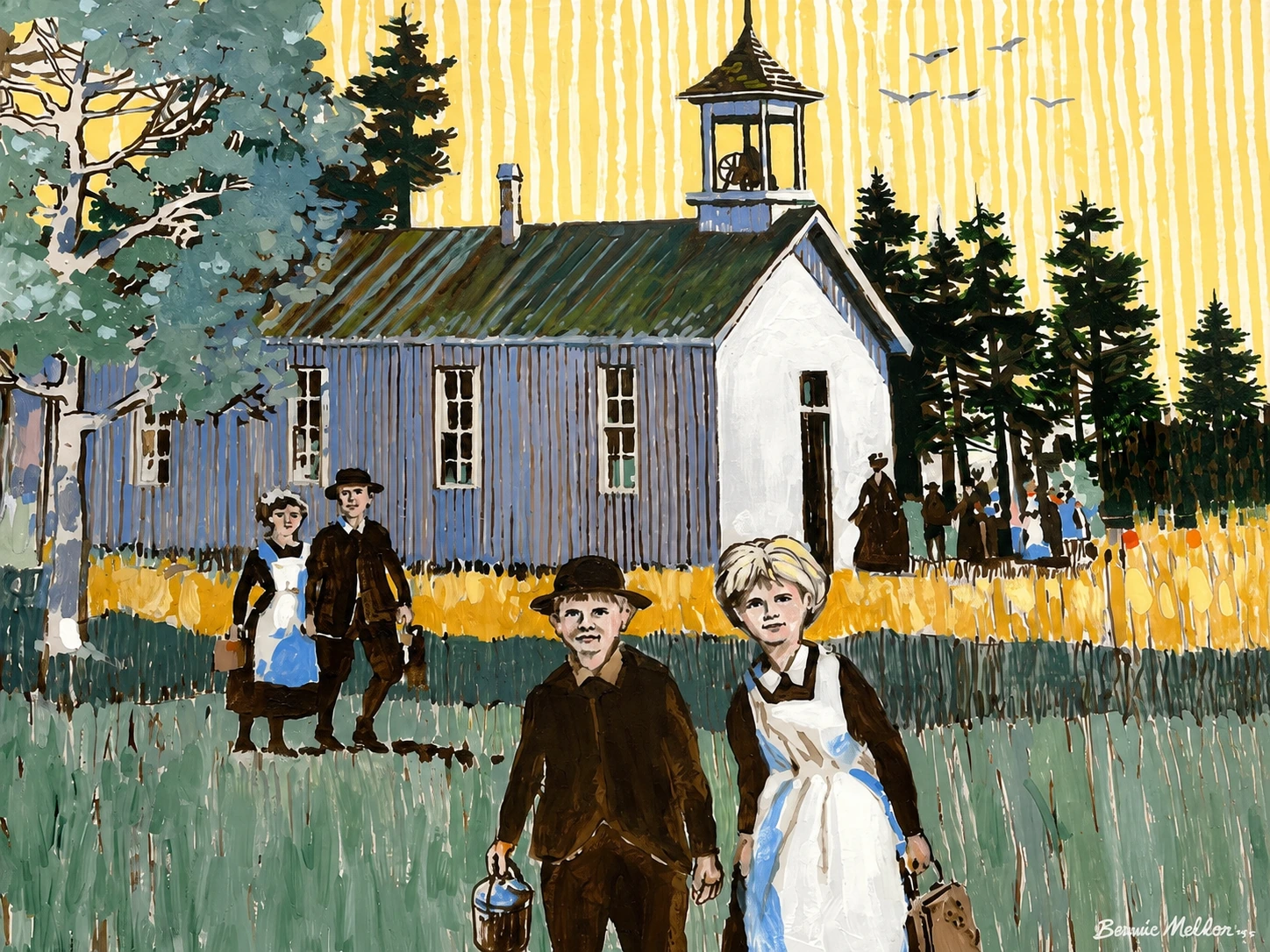
The first schoolhouse gives the collection a family and classroom thread, showing education as part of the city's foundation.
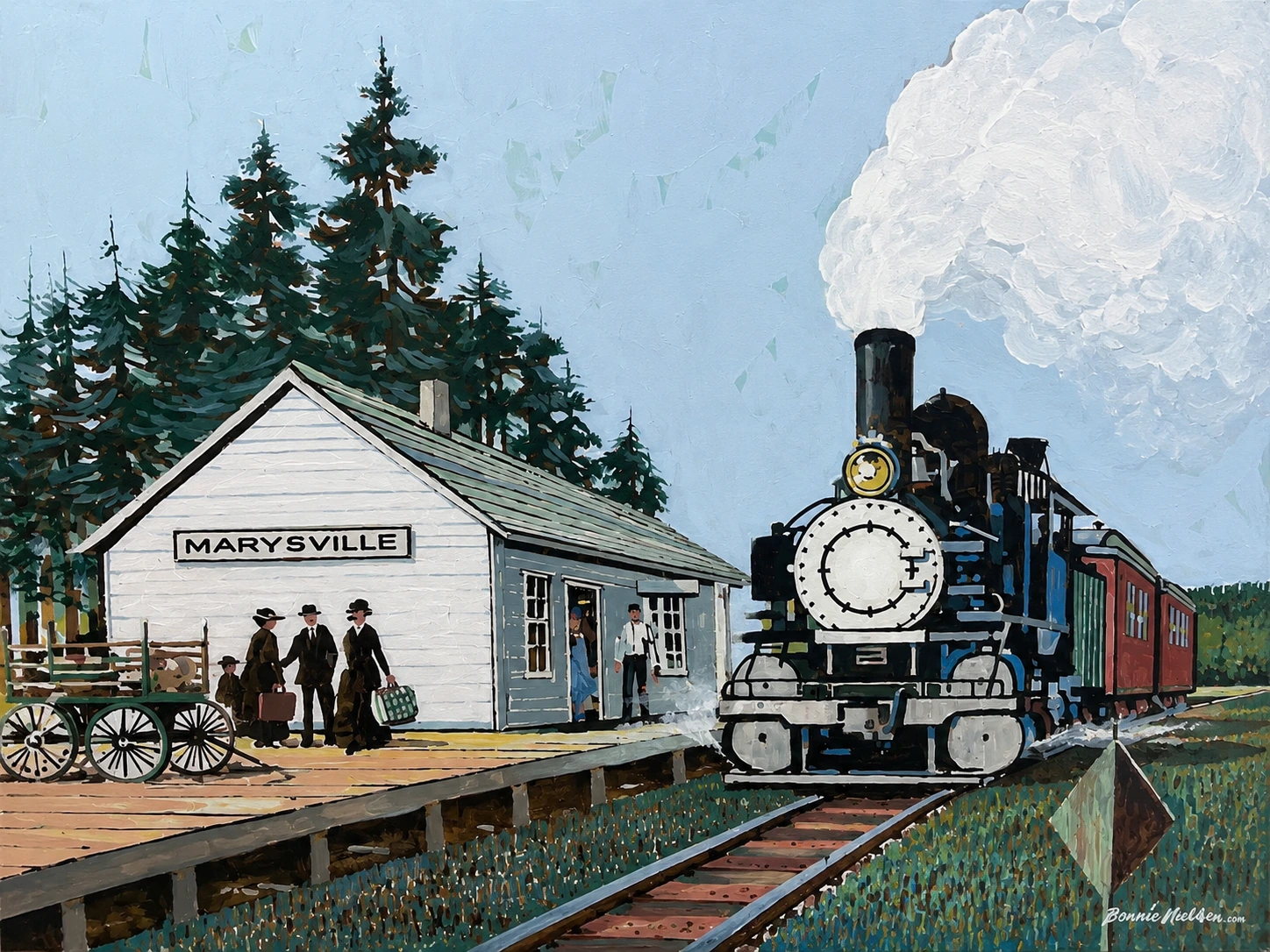
The railroad station marks one of the strongest links between Marysville and the wider region after rail service reached town.
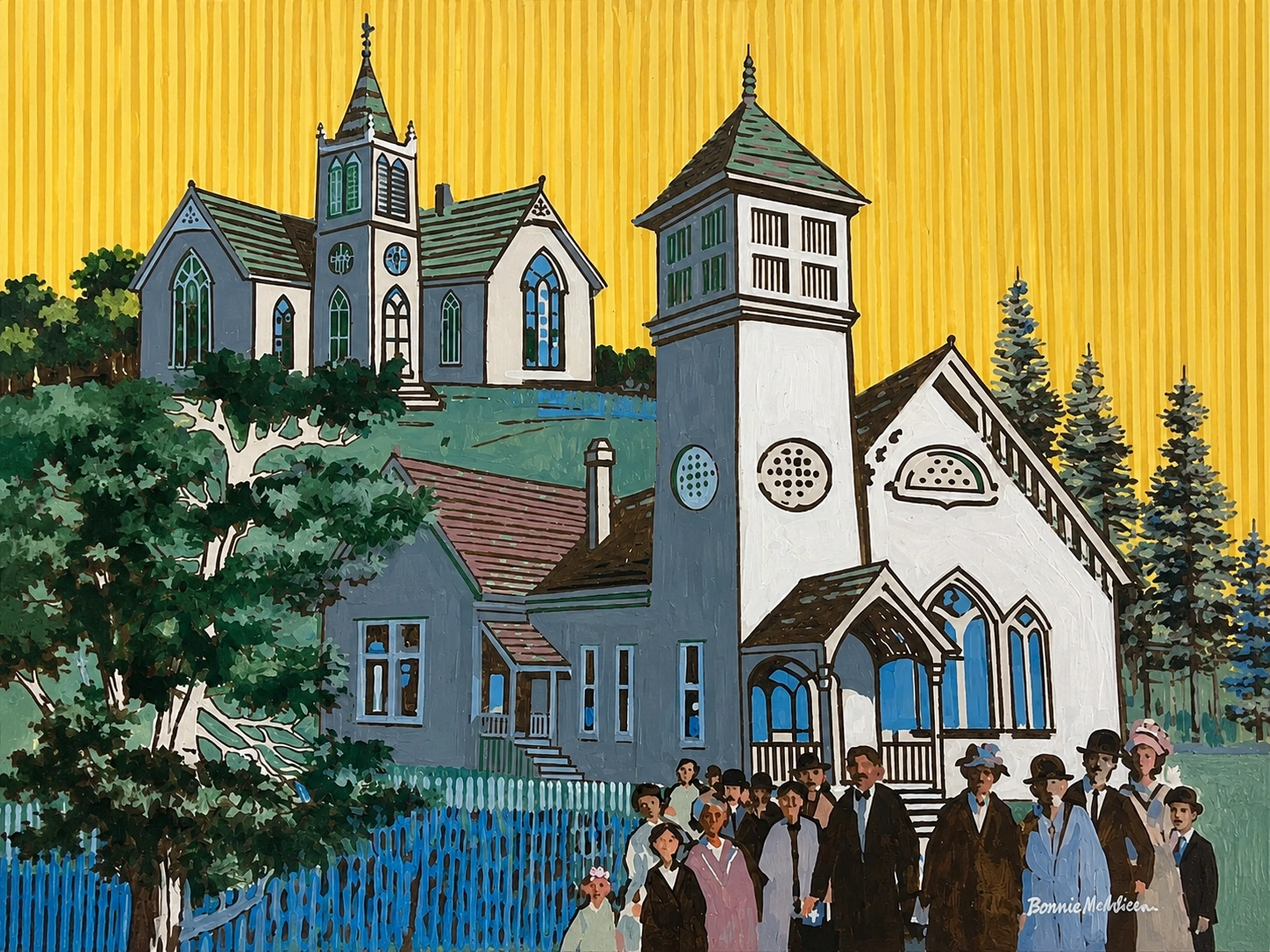
These church buildings represent worship, gathering, mutual aid, and the community institutions that grew with the town.
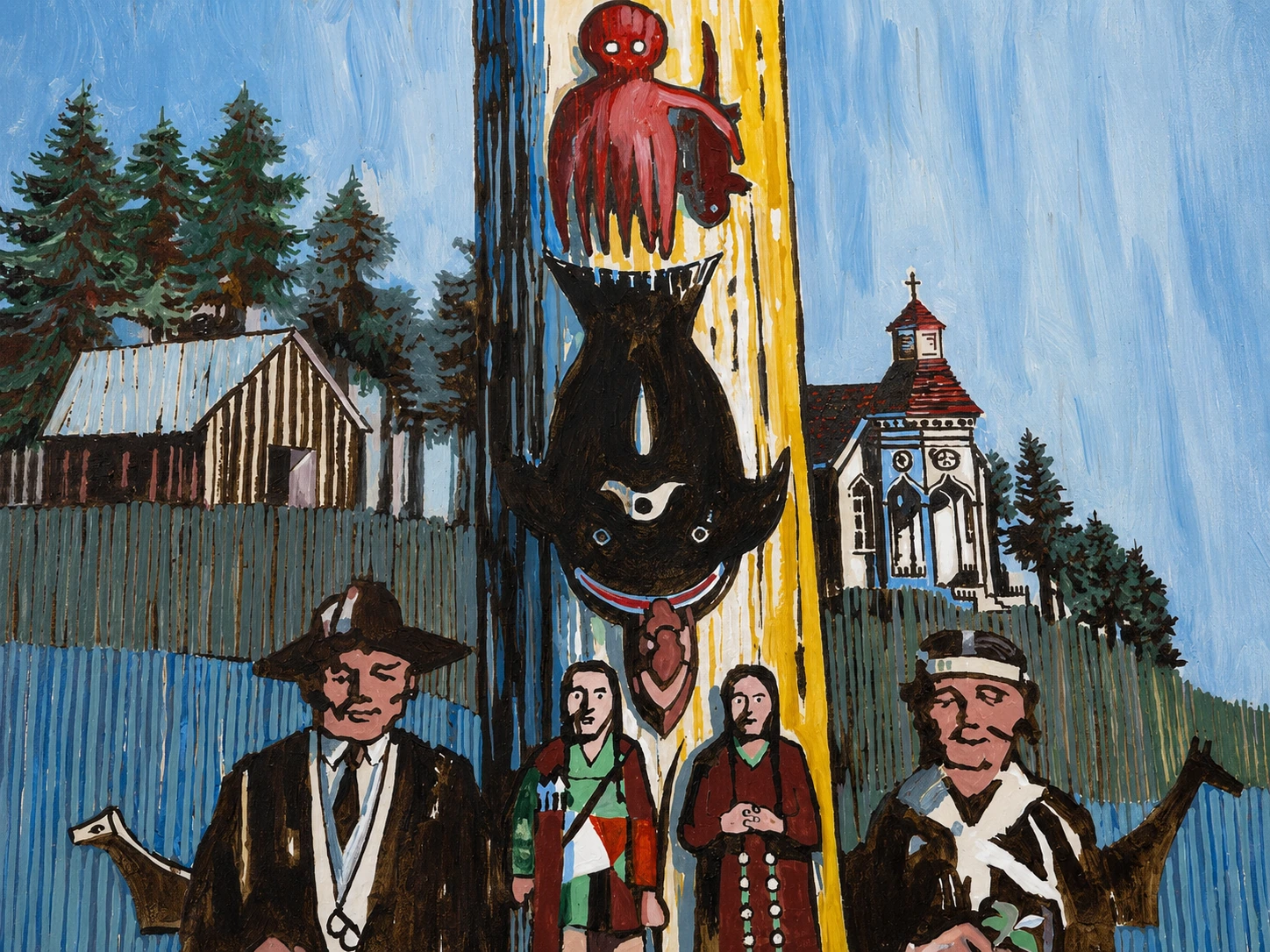
This painting places Marysville history in a wider local context that includes Tulalip neighbors, faith, and regional memory.
What the collection shows
Location note
These images document paintings displayed outside the Marysville City Council chambers at 501 Delta Avenue. The City’s Council page confirms the chamber location. Artist, installation date, commissioning record, and formal artwork titles have not yet been verified; the labels here describe visible subjects and should not be treated as archival attributions.